


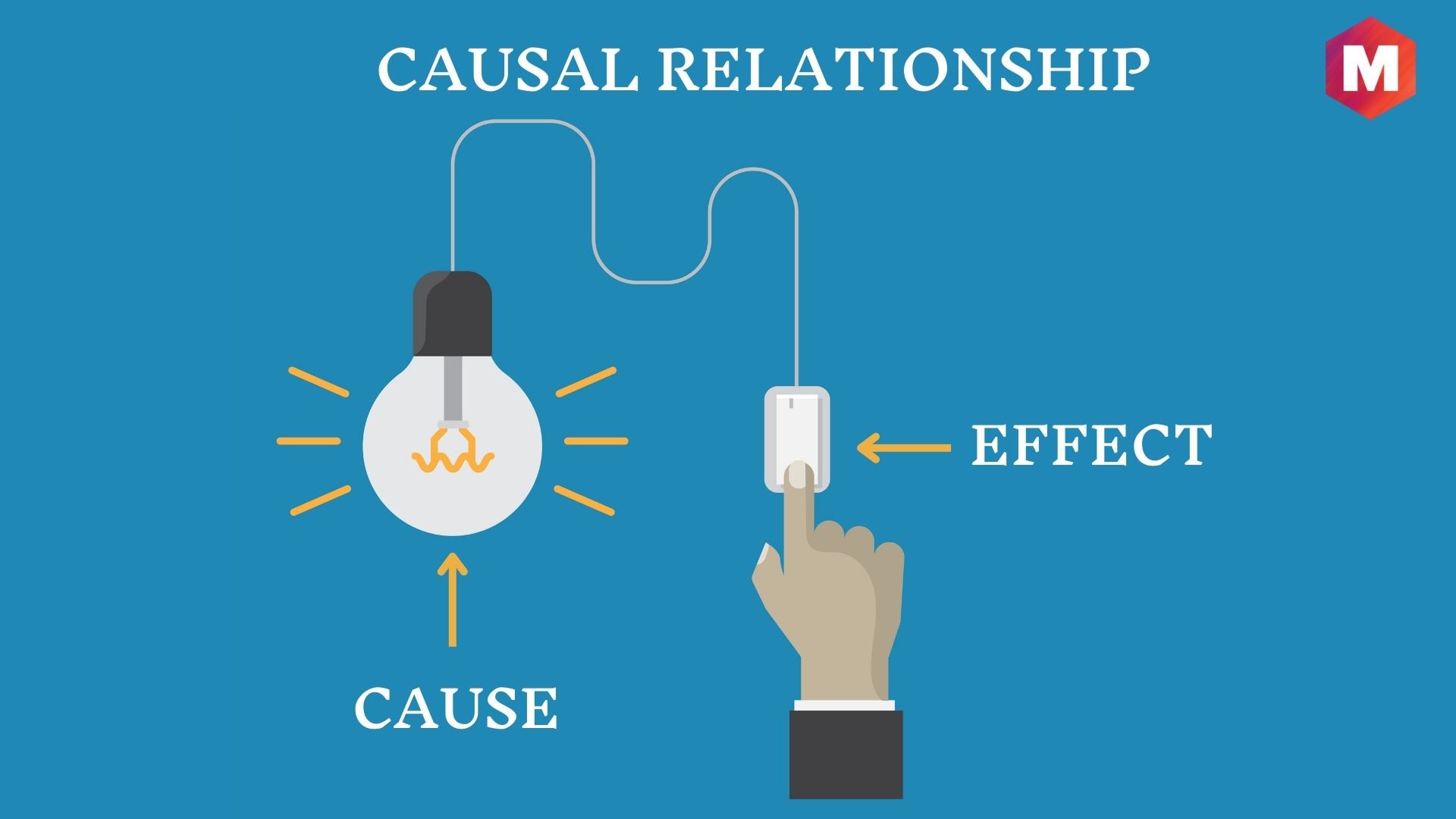
Understanding causal relationships is one of the most important skills in science, education, business, and everyday decision-making. Many students struggle when they encounter the question: “Which relationships would most likely be causal? Select two options.” The confusion often comes from mixing up causation with correlation.
In 2026, as data-driven learning becomes more important in schools and workplaces, knowing how to recognize a true cause-and-effect connection can help people make smarter decisions and avoid misleading conclusions.
This guide explains causal relationships in a clear and engaging way while helping you confidently answer these types of questions on exams, assignments, and research projects.
What Does a Causal Relationship Mean?
A causal relationship happens when one event directly causes another event to occur. In simple words, one action creates a specific result.
For example:
- Drinking contaminated water may cause illness.
- Studying consistently can improve exam performance.
- Lack of sleep often leads to reduced concentration.
In each example, there is a direct connection between the first factor and the outcome.
A useful way to remember causation is:
Cause → Effect
When answering questions about causality, look for situations where changing one variable clearly influences another.
Why Students Often Get Confused
Many relationships appear connected even when they are not truly causal. This is called correlation.
Correlation means two things happen together, but one may not actually cause the other.
For example:
- Ice cream sales increase during summer.
- Swimming accidents also increase during summer.
Ice cream does not cause swimming accidents. The real factor is hot weather, which increases both activities.
This mistake is common in test questions that ask learners to identify causal relationships.
Key Signs of a True Cause-and-Effect Connection
Before selecting an answer, look for these important clues:
Direct Influence
One factor clearly changes another factor.
Scientific or Logical Explanation
There should be a believable reason explaining why the effect happens.
Consistent Results
The outcome should occur repeatedly under similar conditions.
Time Order
The cause must happen before the effect.
These indicators help separate real causation from coincidence.
Which Relationships Would Most Likely Be Causal? Examples Explained
Below are examples that commonly appear in educational assessments.
Example 1: Increased Exercise and Better Heart Health
This is most likely causal because medical research consistently shows physical activity improves cardiovascular function.
There is scientific evidence supporting the connection, making it a strong cause-and-effect relationship.
Example 2: More Study Time and Higher Test Scores
This relationship is also likely causal. Students who spend more time reviewing material generally perform better because they improve understanding and memory retention.
Although individual results may vary, the relationship has logical support and repeated evidence.
Example 3: Shoe Size and Reading Ability
This may look related in children because older kids usually have bigger feet and better reading skills. However, shoe size does not cause reading ability.
Age is the hidden factor influencing both.
Example 4: Owning More Books and Academic Success
This relationship may show correlation, but causation is less certain. Family environment, educational support, and income levels may influence both factors.
This type of example often tricks students during exams.
How to Quickly Identify Correct Answers in Multiple-Choice Questions
When you see the instruction “select two options,” use this simple strategy:
Step 1: Search for Direct Impact
Ask yourself:
“Does one event naturally create the other?”
Step 2: Eliminate Coincidences
If two things simply happen together without proof, avoid selecting them.
Step 3: Look for Scientific Support
Relationships backed by biology, psychology, physics, or social science are usually stronger candidates.
Step 4: Watch for Hidden Variables
Sometimes a third factor explains both events.
This process makes it easier to avoid common mistakes.
Real-Life Causal Relationships Seen in 2026
Modern society offers many updated examples of causation that students can relate to today.
Technology and Sleep Quality
Recent studies continue showing that excessive nighttime screen exposure can reduce sleep quality because blue light disrupts melatonin production.
This is a scientifically supported causal relationship.
Air Pollution and Respiratory Problems
Environmental research consistently demonstrates that poor air quality increases breathing-related illnesses, especially in urban areas.
This connection remains a major global health concern in 2026.
Healthy Eating and Energy Levels
Balanced nutrition directly affects physical performance and mental focus. People who consume nutrient-rich foods often experience improved energy and productivity.
This relationship has strong biological evidence.
Common Exam Traps You Should Avoid
Many students lose marks because they rush through the question.
Here are frequent traps:
Confusing Association With Causation
Just because two trends match does not mean one creates the other.
Ignoring External Variables
A hidden factor may explain both events.
Choosing Emotional Answers
Some choices sound believable emotionally but lack evidence.
Overthinking Simple Questions
Often the most direct and scientifically supported options are correct.
Careful reading improves accuracy significantly.
Why Understanding Causality Matters Beyond School
Causal reasoning is useful in everyday life, business, medicine, and media literacy.
People constantly encounter claims such as:
- “This product boosts memory.”
- “This habit improves happiness.”
- “This method guarantees success.”
Without understanding causation, it becomes easier to believe misleading advertising or inaccurate online content.
In today’s digital world, critical thinking skills are more important than ever.
Best Way to Remember the Difference
A simple phrase helps many students:
Correlation means two things are related.
Causation means one thing creates another.
Keeping this distinction in mind makes multiple-choice questions much easier.
Final Thoughts
Questions asking “Which relationships would most likely be causal? Select two options” are designed to test logical thinking and understanding of evidence-based relationships.
The best answers usually include:
- A clear cause-and-effect pattern
- Scientific or logical reasoning
- Consistent supporting evidence
As education evolves in 2026, learning how to recognize true causation is becoming an essential skill for students, professionals, and everyday decision-makers alike.
By practicing with real-world examples and avoiding common misconceptions, you can confidently identify causal relationships in tests, research, and daily life.
About The Author